
 By Ravi Singh
Okay, let’s be real. When you hear “FIA President” and “Muscat” in the same sentence, your brain probably doesn’t immediately jump to groundbreaking insights, does it? I initially thought this was just another press release. But – and this is a big ‘but’ – the undercurrents of Mohammed Ben Sulayem ‘s message are actually pretty fascinating, especially for us in India, considering our burgeoning auto sector and notorious road safety record.
We’re not just talking about fancy cars and Formula 1 here. What fascinates me is the broader vision Sulayem is pushing: a world where mobility solutions are not just innovative, but also safe and accessible to everyone. And that has HUGE implications for India.
The ‘Why’ Behind the Muscat Address | More Than Just a Speech
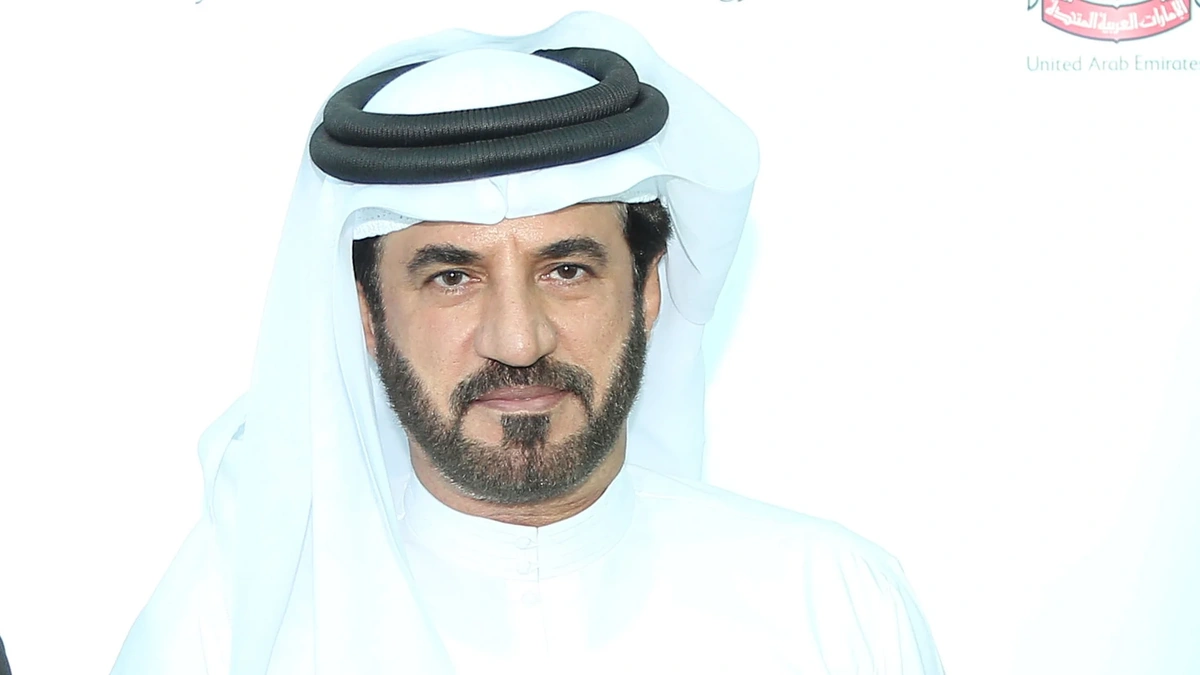
So, why Muscat? Why now? Here’s the thing: Oman, like many Gulf states, is making a massive push towards diversifying its economy, and sustainable mobility is a key part of that plan. Sulayem’s visit isn’t just a photo op; it’s a strategic move to align the FIA with countries that are serious about investing in the future of transportation.
And why is this significant for India? Well, we’re staring down the barrel of some serious urban congestion and pollution problems. We need solutions, and we need them fast. Sulayem’s emphasis on road safety and technological innovation highlights the areas where India needs to focus its efforts. Think about it: electric vehicles, smarter traffic management systems, and better driver education – these are all pieces of the puzzle that the FIA, under Sulayem’s leadership, is actively promoting.
Moreover, Sulayem talked about the importance of collaboration between governments, industry, and motorsport governing bodies. This is particularly relevant for India, where these sectors often operate in silos. A more coordinated approach could unlock significant opportunities for growth and innovation.
Unpacking the FIA’s Vision for Future Mobility
Let’s dive a bit deeper into what the FIA actually envisions. It’s not just about making cars go faster; it’s about creating a holistic ecosystem where mobility is safe, sustainable, and accessible. This includes:
- Promoting electric vehicles: The FIA is actively supporting the development and adoption of EVs through initiatives like Formula E. And EVs are also becoming a big thing in India, so the FIA’s work is very relevant.
- Enhancing road safety: The FIA is working with governments and organizations around the world to improve road safety standards and reduce accidents. This is especially important in India, where road accident fatalities are alarmingly high.
- Supporting motorsport development: The FIA is committed to nurturing motorsport talent and promoting the sport at all levels. This can inspire innovation and create new opportunities in the automotive sector.
What fascinates me is how the FIA is trying to blend motorsport and everyday road use. The technology developed on the racetrack often trickles down to our regular cars, making them safer and more efficient. This is a virtuous cycle that benefits everyone.
How India Can Benefit from the FIA’s Initiatives
So, how can India actually leverage Sulayem’s message and the FIA’s initiatives? Here are a few ideas:
- Strengthen collaboration: The Indian government, auto industry, and motorsport bodies need to work more closely together. This can help to accelerate innovation and ensure that new technologies are adopted effectively.
- Invest in road safety: India needs to invest more in improving road infrastructure, enforcing traffic laws, and educating drivers. This is crucial for reducing road accident fatalities and making our roads safer for everyone.
- Promote electric vehicles: The Indian government should continue to support the development and adoption of EVs through incentives and policies. This can help to reduce pollution and create new jobs in the automotive sector.
I initially thought this was straightforward, but then I realized that the true value lies in the interconnectedness of these initiatives. And the automotive sector is vital for any economy .
The Role of Technological Advancements in Shaping Mobility
Sulayem’s address also underscored the pivotal role of technological advancements in shaping the future of mobility. From advanced driver-assistance systems (ADAS) to connected car technologies, innovation is rapidly transforming how we interact with our vehicles and our environment.
For India, embracing these advancements is not just about keeping up with global trends; it’s about solving pressing challenges. Imagine a future where intelligent traffic management systems optimize traffic flow, reducing congestion and emissions. Or where advanced safety features prevent accidents and save lives. This future is within reach, but it requires a concerted effort to invest in research and development, foster innovation, and create a regulatory environment that supports the adoption of new technologies.
According to a report by NITI Aayog, India’s think tank, “the country has the potential to become a global hub for automotive innovation, provided it leverages its strengths in software, engineering, and manufacturing.” (NITI Aayog) The FIA’s vision aligns perfectly with this aspiration, offering a framework for collaboration and knowledge sharing that can help India achieve its goals.
Looking Ahead | A Safer and More Sustainable Future
Ultimately, Mohammed Ben Sulayem’s message in Muscat wasn’t just about cars and races; it was about creating a better future for everyone. A future where mobility is safe, sustainable, and accessible to all. And that’s a vision worth striving for, both in India and around the world. But, let’s be honest, there’s much more that we can do.
Let me rephrase that for clarity: the key takeaway here isn’t just the specific initiatives but the underlying philosophy. The FIA, under Sulayem, is advocating for a holistic approach to mobility that considers not just the technical aspects but also the social and environmental implications. This is a mindset that India needs to embrace if it wants to build a truly sustainable and equitable transportation system.
FAQ
What exactly is the FIA’s role in promoting road safety?
The FIA works with governments and organizations to improve road safety standards, promote safer driving practices, and support initiatives that reduce road accidents.
How can I get involved in motorsport in India?
Contact the Federation of Motor Sports Clubs of India (FMSCI) for information on local clubs, events, and training programs.
What are some of the challenges facing the adoption of electric vehicles in India?
Key challenges include the high cost of EVs, the lack of charging infrastructure, and concerns about range anxiety.
Where can I find more information about the FIA’s sustainable mobility initiatives?
Visit the FIA’s official website (www.fia.com ) for detailed information on its programs and activities.
How does motorsport contribute to the development of new automotive technologies?
Motorsport serves as a testing ground for new technologies, which often trickle down to consumer vehicles, improving their performance, safety, and efficiency.
What is Mohammed Ben Sulayem’s vision for the future of mobility?
Sulayem envisions a future where mobility is safe, sustainable, accessible, and powered by technological innovation, benefiting both motorsport and everyday transportation.